FG Rolls Out Nationwide Livestock Empowerment Programme, Targets 1000 Youths Per State

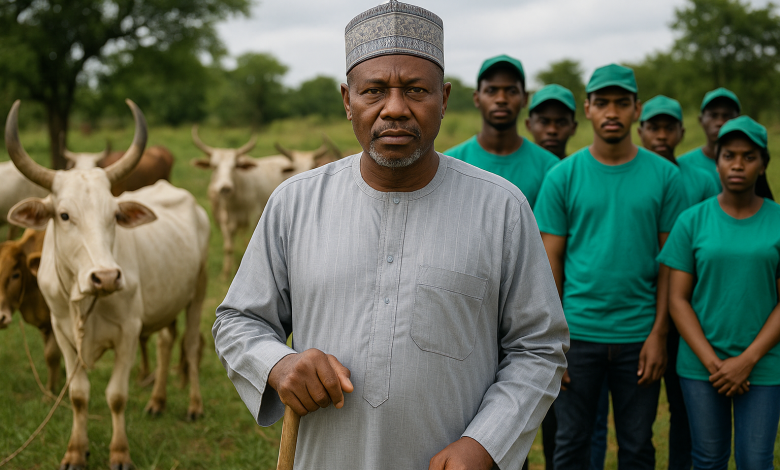
In a significant move aimed at bolstering the nation’s agricultural sector and curbing youth unemployment, the Federal Government of Nigeria has officially launched a comprehensive nationwide livestock empowerment programme. This ambitious initiative, designed to empower a new generation of agriprenuers, sets its sights on engaging 1,000 youths from each of the 36 states and the Federal Capital Territory (FCT) in various aspects of livestock production and management. The programme’s inauguration signals a renewed commitment from the government to diversify the economy, enhance food security, and create sustainable livelihoods for its burgeoning youth population.
The unveiling of this strategic programme comes at a crucial juncture as Nigeria grapples with economic challenges and seeks innovative solutions to foster inclusive growth. By focusing on the livestock sub-sector, an area with immense untapped potential, the government aims to not only increase domestic production of meat, dairy, and other livestock products but also to reduce its reliance on imports and boost its foreign exchange earnings through exports. This multi-faceted approach underscores the government’s recognition of agriculture as a pivotal driver of economic transformation and a key enabler of sustainable development.
The newly launched livestock empowerment programme encompasses a wide array of interventions, ranging from capacity building and skills development to the provision of starter packs and access to finance. Participants will receive intensive training in modern livestock farming techniques, including animal husbandry, feed formulation, disease control, and value addition. Furthermore, they will be equipped with essential resources such as improved breeds of livestock, feeds, and veterinary services to kick-start their enterprises. The programme also incorporates a mentorship component, pairing beneficiaries with experienced farmers and industry experts to provide guidance and support throughout their entrepreneurial journey.
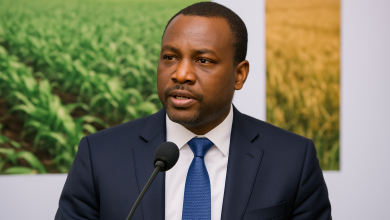
During the flag-off ceremony held in Abuja, the Minister of Agriculture and Rural Development, Dr. Mohammad Mahmood Abubakar, reiterated the government’s unwavering commitment to empowering youths and transforming the agricultural landscape. He emphasized that the programme is not merely a handout but a strategic investment in the future of Nigerian agriculture. “We are not just giving them fish; we are teaching them how to fish,” he declared, adding that the initiative will create a ripple effect, generating employment opportunities across the entire livestock value chain, from production and processing to marketing and distribution.
The selection process for beneficiaries will be transparent and merit-based, ensuring that only committed and passionate youths with a genuine interest in agriculture are enrolled in the programme. The government is collaborating with state and local governments, as well as community leaders, to identify and recruit eligible candidates. Special consideration will be given to women and persons with disabilities to promote inclusivity and equal opportunity.
While the launch of the nationwide livestock empowerment programme is a commendable step in the right direction, its successful implementation will require sustained commitment, effective coordination, and a conducive policy environment. Addressing challenges such as inadequate infrastructure, limited access to markets, and the impact of climate change will be crucial to unlocking the full potential of this initiative. Furthermore, ensuring the timely disbursement of funds and providing ongoing technical support to beneficiaries will be essential for their long-term success.
The Federal Government’s nationwide livestock empowerment programme holds immense promise for transforming Nigeria’s agricultural sector and empowering its youths. By investing in human capital, promoting entrepreneurship, and harnessing the vast potential of the livestock sub-sector, this initiative has the potential to contribute significantly to food security, job creation, and economic growth. However, its success hinges on effective implementation, strong partnerships, and a long-term vision. If executed with diligence and a commitment to excellence, this programme can indeed usher in a new era of agricultural prosperity for Nigeria and its people.