Catalyzing Rural Livelihoods: Grassroots Initiative Fosters Livestock Production Among Youth and Women

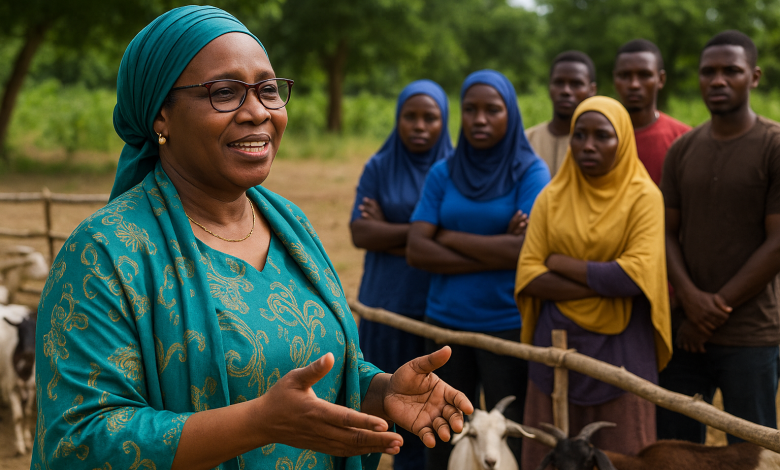
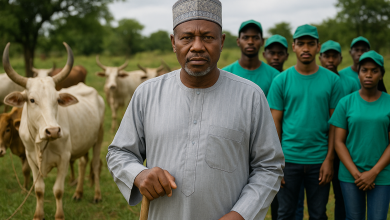
In a significant stride towards bolstering agricultural capacity and fostering economic independence within local communities, a dedicated group has launched an impactful initiative focused on empowering young individuals and women through comprehensive engagement in livestock production. This grassroots effort, meticulously designed to provide participants with essential skills, resources, and ongoing mentorship, signals a vital contribution to strengthening the agricultural sector and creating sustainable livelihoods at the foundational level.
The program’s core objective extends beyond mere provision of livestock; it encompasses a holistic approach to agricultural entrepreneurship. Participants are immersed in rigorous training modules covering animal husbandry best practices, disease prevention, nutritional management, and effective marketing strategies. This comprehensive education equips them not only to raise healthy and productive livestock but also to navigate the intricacies of the agricultural value chain, ensuring long-term viability and profitability for their ventures. Furthermore, the initiative facilitates access to crucial resources, including initial livestock provisions, necessary equipment, and linkages to financial institutions, thereby dismantling key barriers that often hinder the entry of youth and women into the agricultural domain. By prioritizing inclusivity and targeting these demographics, the program strategically addresses prevalent socio-economic disparities and unlocks the untapped potential inherent within these vibrant segments of the population, paving the way for a more resilient and equitable agricultural landscape.
The ripple effects of such localized empowerment initiatives are profound and far-reaching. By equipping young people with tangible skills and viable economic opportunities within their communities, the program actively contributes to mitigating rural-urban migration, retaining valuable human capital within the agricultural sector. Moreover, the focused inclusion of women as key beneficiaries directly addresses gender inequalities within agricultural practices, recognizing their pivotal role in food security and household economic stability. As these newly empowered individuals establish and expand their livestock enterprises, they not only enhance their own livelihoods but also contribute significantly to local food production, stimulating economic activity within their respective regions and fostering a culture of agricultural innovation and self-sufficiency. The success of this initiative serves as a compelling model for sustainable rural development, demonstrating the transformative power of targeted empowerment in building a more prosperous and resilient agricultural future from the ground up.