Safeguarding Africa’s Blue Economy: Scientist Champions Sustainable Fish Farming

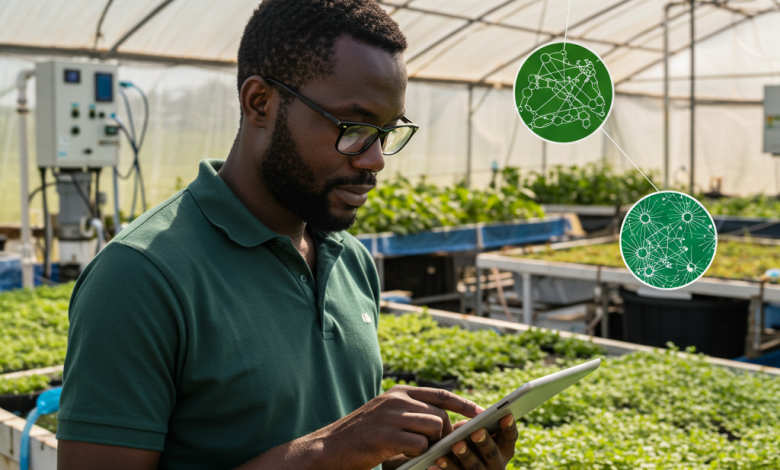
Lagos, Nigeria – Amid growing concerns over food insecurity and economic instability across African nations, the sustainable development of aquaculture is increasingly being recognized as a promising pathway to address these critical challenges.
With the escalating global demand for seafood and mounting pressure on already strained wild fish populations, responsible fish farming is emerging as an indispensable pillar of both food production and the provision of vital livelihood support for numerous communities.
However, the promising prospects of aquaculture in Africa face significant hurdles, including the pervasive issues of poor water quality, the alarming degradation of crucial aquatic habitats, and a range of other environmental stressors that threaten the viability of fish farming operations.
In response to these pressing concerns, Abiola Obafemi, a distinguished Environmental and Fisheries Scientist, is at the forefront of leveraging rigorous scientific research to cultivate a deeper understanding of the complex challenges confronting fisheries resources. Through innovative and meticulously designed studies, Abiola investigates the intricate ways in which various environmental stressors impact both finfish and shellfish populations. His work is dedicated to proposing evidence-based strategies aimed at enhancing the resilience of vital fisheries resources, not only within Africa but also on a global scale.
Drawing upon extensive research conducted in diverse aquatic environments, including the Gulf of Guinea, the coastal waters of Lagos, and the Gulf of Mexico in North America, Abiola brings a comprehensive and multifaceted approach to tackling the intricate issues surrounding aquaculture and broader fisheries management. Emphasizing a foundational principle, Abiola states, “Water quality plays a vital role in determining the ultimate success or failure of fish farming and overall fisheries operations.” He further underscores the critical implications of poor water quality, noting that it poses a substantial and direct risk to the health and well-being of aquatic species, which in turn gravely threatens the food security and the livelihoods of the many communities that depend directly upon them.
Aquatic habitats, which remarkably cover more than two-thirds of the Earth’s surface, represent some of the most biologically diverse ecosystems on the planet. Yet, paradoxically, they are also among the most severely threatened environments, facing relentless pressure from pollution, the unsustainable practice of overfishing, and the escalating impacts of extreme environmental stressors directly linked to the changing global climate.
Abiola’s research methodology effectively combines meticulously controlled laboratory experiments with rigorous field monitoring. This integrated approach allows him to study in detail how critical water quality factors, such as temperature fluctuations, variations in salinity levels, and the availability of dissolved oxygen, directly impact aquaculture productivity. His invaluable work provides critical insights into the complex ways in which water quality influences the health and abundance of fisheries resources, thereby making a significant contribution to their long-term sustainability.
In the specific context of Nigeria, aquaculture holds immense untapped potential to significantly boost national food production and reduce reliance on imports. Abiola’s pioneering work is therefore of paramount importance, providing crucial insights that directly support ongoing efforts to address Africa’s interconnected ecological challenges and persistent food insecurity issues.
Through active collaboration with fellow researchers, policymakers at various levels of government, and a diverse range of stakeholders within the fisheries and aquaculture sectors, Abiola Obafemi has firmly established himself as an integral member of the scientific community dedicated to the critical task of conserving natural resources, both across the African continent and on a global scale. Abiola remains a passionate and influential advocate for the adoption of innovative and environmentally sound aquaculture practices, working tirelessly to ensure that Africa’s precious aquatic ecosystems remain productive, resilient, and capable of sustaining future generations.