The Lagos Chamber of Commerce and Industry (LCCI) rated the latest 2.27 per cent Gross Domestic Product (GDP) growth recorded in the nation’s economy as sluggish and incapable of creating jobs and lifting millions of Nigerians out of the poverty trap.
The group in a statement by its Director General, Muda Yusuf, maintained that the assessment of realities in the macroeconomic environment suggested that the economy was yet to recover from the 2016 recession.
It implored the fiscal and monetary authorities to adopt proactive policy initiatives required to ensure job-supporting and poverty-alleviating growth in the economy.
It said: “Growth is still sluggish and weak to create employment opportunities for the fast-growing population and lift millions of Nigerians out of poverty. There is need for government to embrace structural, policy and regulatory reforms to unlock the huge growth potentials in the economy.”
The LCCI listed the key areas to focus on by government as including agriculture, manufacturing, trade and real estate
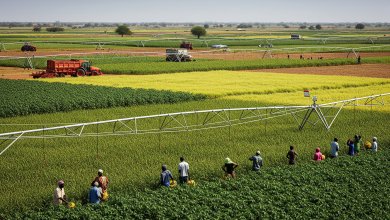
On agriculture, Yusuf stated that there was need for government to promote agricultural mechanisation as over 70 per cent of farmers in Nigeria operated on small scale; support the sector with seedlings; develop rural infrastructure; provide modern farming equipment at subsidised rates and ensure linkage between agriculture and industry as a strategic step towards optimising the potential of the sector for growth.
The OPS group also listed some of the conditions that must be fulfilled to improve real sector (manufacturing) growth as including fixing the power challenges to reduce cost and enhance competitiveness; ensuring improved patronage of locally produced items; curbing smuggling and dumping and reforming port processes and ensure better port infrastructure. This is even as the chamber pointed out that in order to boost trade and improve its contributions to the nation’s GDP, there is the urgent need to improve domestic connectivity through better transportation infrastructure; ease the cargo clearing process; promote economic integration at the sub-regional and continental levels; ease cross-border trade challenges and prioritise trade facilitation over revenue generation by the Nigeria Customs Service (NCS).